
 Leveling
Guides
ZMI Altar vs Lava Runes: The Main's Honest Path to 77 Runecraft
Daeyalt essence, attention levels, and gold: an in-depth comparison of Ourania Altar and solo lava runes for mains pushing 77 Runecraft.
Game screenshots and facts are cited from the Old School RuneScape Wiki (strategy, equipment, drops, and related pages). Writing is original editorial, not a copy of the wiki article.
Every main account eventually stares down the Runecraft ladder, and the stretch to 77 is the most debated leg. Level 77 unlocks blood rune crafting in Arceuus, a reliable semi‑AFK money maker that many players use to fund the rest of their account. The question every main faces is how to get there: grind out solo lava runes, which are blisteringly fast but demand near‑perfect clicks, or settle into the Ourania Altar (ZMI), which trades raw speed for a more forgiving rhythm. This guide breaks down both methods using daeyalt essence as the shared fuel, compares cost, intensity, and realistic time‑to‑goal, and shows when spending gold on supplies or a service is the honest shortcut.
Before committing to a method, understand that Runecraft training is a marathon of small decisions—pouches, teleports, binding necklaces, and run energy all compound into either hours saved or hours wasted. We will pull facts from the wiki's Pay‑to‑play Runecraft training page, Abyss strategies, and the Agility and Construction guides to cover every angle.


What You Need Before Choosing
Both methods share a checklist of unlocks and gear. Skipping any of these will silently gut your experience rates, so treat them as prerequisites, not suggestions. The recommended quests from the wiki are non‑negotiable for efficient training; they award early experience and unlock key teleports and spells.
Core requirements before starting either method:
- Rune Mysteries — prerequisite for nearly all Runecraft content.
- Enter the Abyss — required to enter the Abyss and repair pouches.
- Temple of the Eye — unlocks Guardians of the Rift and awards a medium pouch.
- Lunar Diplomacy — unlocks the Lunar spellbook for Magic Imbue and Astral Contact (highly recommended for lava runes, useful for ZMI).
- The Eyes of Glouphrie — 6,000 Runecraft XP to skip early levels.
- All available essence pouches — small, medium, large, and giant; repair them at the dark mage or with Astral Contact.
- Rune pouch to hold earth runes for lava crafting or teleport runes for ZMI.
- Weight‑reducing gear and stamina potions — Agility level directly affects run energy, so train Agility alongside Runecraft.
Agility training is often overlooked in Runecraft guides. The Agility training wiki page stresses that higher Agility increases run energy regeneration and unlocks shortcuts. Graceful outfit is king, but even boots of lightness and a spottier cape help. For Abyss users, the Wilderness route also demands attention to Defence and prayer management, covered in the Abyss strategies page.


Do not skip the quests. The wiki's recommended quest table shows that completing Temple of the Eye, The Eyes of Glouphrie, and Enter the Abyss can push you past level 30 before you ever craft a rune. From there, the choice between lava and ZMI becomes the real fork in the road.
Daeyalt Essence: The Fuel for the Grind
Daeyalt essence is the wildcard in the 77 race. It provides a higher experience reward per essence than pure essence, but it must be mined beforehand, which costs time. The wiki's Pay‑to‑play Runecraft training page has a dedicated "Using daeyalt essence" section; the exact figures for mining rates and experience multipliers are updated regularly, so always verify them before planning your grind. The general principle is simple: if you have AFK time (e.g., at work or watching a show), mining daeyalt essence is a low‑intensity way to "pre‑load" faster Runecraft training later. If you value your active playtime more, buy pure essence and skip the mining entirely.
Tip: Calculate the effective XP/hour including mining time. If daeyalt mining takes 20 minutes to gather enough essence for one hour of Runecraft, your true XP/hour may be lower than using pure essence bought with GP. Many mains choose to buy pure essence and use the saved time to make gold elsewhere.


Whichever essence you choose, the decision affects both methods equally. Lava runes burn through essence faster due to more trips per hour, so daeyalt's per‑essence bonus can compound, but the intensity remains the same. ZMI users may find daeyalt more appealing because the slower trip pace makes the extra essence weight less punishing on inventory management.
Solo Lava Runes: The High‑Intensity Rocket
Lava runes are the fastest solo Runecraft method from level 23 onwards, but they demand a specific inventory, Lunar spells, and unbroken focus. The wiki's section on solo lavas outlines the optimal setup: full Raiments of the Eye (for extra runes), a Hat of the Eye attuned to a fire tiara, binding necklace, weight‑reducing gear, ring of endurance, and extended stamina potions. You must carry earth runes in a rune pouch and use Magic Imbue to avoid needing earth talismans.
- Inventory: Pure essence or daeyalt essence, all pouches, earth runes in rune pouch, binding necklace equipped.
- Spells: Magic Imbue (82 Magic) to negate earth talismans; Astral Contact (67 Magic) to repair pouches on the fly.
- Teleports: Ring of the elements to the Fire Altar; crafting cape or amulet of eternal glory to bank. A ring of dueling is a budget alternative.
- Banking: Use amulet of glory(4) with charge dragonstone jewellery scrolls if no eternal glory; precise clicks matter.
This method is unforgiving. One misclick on a pouch, a forgotten binding necklace, or a missed Magic Imbue cast can turn a 60‑second lap into a 90‑second one, and those seconds add up to hours over the grind. The Abyss route, while faster for some altars, is not typically used for lava runes because the Fire Altar has a direct teleport. However, if you choose to use the Abyss for other runecrafting, the Abyss strategies page warns about player killers and Abyssal creatures—bring a light pickaxe, keep auto‑retaliate off, and wear cheap defensive gear.


For mains with deep pockets, essence runners can push lava rates to absurd heights. The wiki lists 4 runners at 280,000 XP/hour at a cost of around 172 GP/XP, while 3 runners yield 190,000 XP/hour. Runner services typically charge 12–15 million GP per runner per hour, making this the ultimate gold‑sink shortcut. Duo (1+1) lava with one runner is a cheaper middle ground, trading some speed for a fraction of the cost.


Ourania Altar (ZMI): The Balanced Path
The Ourania Altar, also called ZMI, is the classic middle ground. It requires no talismans, no binding necklaces, and no Lunar spells—just essence and a fast teleport. The wiki lists it as a viable method from level 1 to 99, but for mains pushing 77 it shines because it is far more forgiving than lava runes. The main cost is lower XP/hour, but the mental load is also lower, allowing you to maintain focus for longer sessions.
- Teleport: Ourania Teleport (71 Magic, Lunar spellbook) is the fastest access; the ZMI altar teleport is also available via a fairy ring? Actually the wiki recommends Ourania Teleport.
- Inventory: Pure essence or daeyalt essence, all pouches, rune pouch for teleport runes if not on Lunar spellbook.
- Mechanics: Craft random runes; no talisman needed. Higher Runecraft level yields better runes (e.g., nature, death, blood later).
- Intensity: Moderate; banking and teleporting are consistent, but no need to switch spells or manage binding necklaces.
ZMI is often recommended for players who want to avoid the high‑intensity clicking of lavas but still make progress. With daeyalt essence, the per‑essence XP boost makes ZMI feel more rewarding, though the slower trip speed means you won't see the same raw XP spikes as lavas.


.png?b990d)
.png)
One hidden benefit of ZMI is its compatibility with the Raiments of the Eye set. The outfit's 60% extra rune yield works for all altar types, so ZMI profits are boosted without affecting XP. If you have the outfit from Guardians of the Rift, ZMI becomes a decent money maker while training.
XP, Cost, and Intensity: Side by Side
To make the decision concrete, here is a comparison table based on typical setups. Exact rates vary with gear, attention, and current prices, so treat these as illustrative and check the live wiki tables before planning your grind.
| Method | Attention Required | Approx. XP/hr (solo, pure essence) | Cost per Hour (supplies) | Notes |
|---|---|---|---|---|
| Solo Lava Runes | Very high | 60,000–75,000 | Moderate (earth runes, binding necklaces) | Requires 82 Magic, Lunar Diplomacy; fastest banked solo method |
| Solo Lava with daeyalt | Very high | Higher per essence, but mining time reduces effective rate | Time cost for mining | Best if you have AFK time to mine daeyalt |
| ZMI (Ourania Altar) | Moderate | 35,000–50,000 | Low (teleport runes only) | No binding necklaces; random runes give profit |
| ZMI with daeyalt | Moderate | Boosted per essence, still slower than lavas | Time cost for mining | Good balance for long sessions |
| Lava with runners (4 runners) | Extreme focus on trades | 280,000 | ~172 GP/XP + runner fees | Only for wealthy players; gold sink |
| Lava with 1 runner (duo) | High | ~120,000–150,000 (varies) | Lower than 4 runners | Middle ground if you have a friend or hire one runner |


The cost difference is stark. Solo lavas consume earth runes and binding necklaces; a binding necklace has 16 charges and costs around 3,000–4,000 GP (verify current price), so one full necklace per ~16 trips adds up. ZMI has almost zero supply cost beyond teleport runes and stamina potions. If you buy gold to fund lava supplies, you are effectively converting GP into faster XP—a perfectly reasonable trade for a main account.
Common Mistakes That Eat Your Time
The difference between a 20‑hour grind and a 30‑hour grind is often a stack of small errors. The wiki's general tips and the Abyss strategies page highlight several pitfalls that plague learners.
- Forgetting the binding necklace when crafting lava runes—this turns every earth rune into a wasted slot and fails the combination rune.
- Not casting Magic Imbue if you don't have earth talismans; without it, you can't craft lava runes at all unless you carry talismans.
- Using the wrong bank teleport—an amulet of glory with multiple charges is fine, but a teleport that lands far from a bank (e.g., standard home teleport) wastes seconds every trip.
- Emptying pouches in the wrong order—always empty the largest pouch first to avoid inventory clutter.
- Neglecting run energy—running out of run energy mid‑trip kills rates; stamina potions or the ring of endurance are non‑negotiable for lavas.
- Going to the Abyss without a pickaxe or with auto‑retaliate on—you'll waste time and risk death to Abyssal creatures.
- Mining daeyalt essence without a plan—if you mine more than you need, you've wasted time; if you run out, you lose momentum.
Warning: Essence runner services carry a real‑world trading risk. The wiki explicitly warns that runners may have connections to RWT, and using multiple runners increases the ban risk. Only hire runners you trust, and be aware that buying gold from unverified sources can also flag your account. Our marketplace only offers in‑game gold from verified sellers, but always follow Jagex's rules.


Realistic Time to 77 and the Gold Shortcut
From level 50 to 77, you need roughly 1.37 million Runecraft experience (the exact total from the skill table). At 70,000 XP/hour with lava runes, that's about 19.6 hours of active play. At 45,000 XP/hour with ZMI, it's about 30.4 hours. Those are optimistic, focused numbers; real sessions with banking, distractions, and learning curves often stretch them by 20–30%.
If you use daeyalt essence, the per‑essence XP bonus can reduce the number of trips needed, but the mining time must be added separately. For a main with limited playtime, buying essence and supplies with gold is often the most time‑efficient path. A few million GP can fund all the earth runes, binding necklaces, and stamina potions for a full lava grind, and if you buy gold at competitive rates, the real‑world cost may be lower than the opportunity cost of your playtime.
Time/cost tradeoff: If you make 2M GP/hour at your best money maker, spending 15 minutes to buy 500K GP worth of supplies saves you 15 minutes of Runecraft training. Always compare GP farming time vs. training time. For some players, buying a Runecraft boost service to skip the grind entirely is the honest answer—but only if you trust the service and understand the risks.


Remember that these rates assume maximum attention and perfect gear. If you are watching a stream or chatting, ZMI will feel far more sustainable than lava, and your effective XP/hour over a 3‑hour session may actually be higher with ZMI because you won't burn out.
Your Next Move: 30 Minutes of Testing
The only way to know which method fits your playstyle is to try both for 30 minutes with the exact gear you own. Start with lava runes if you have 82 Magic and Lunar Diplomacy; if not, do ZMI while you unlock those. After the test, check your XP tracker and your mental fatigue. Then decide.
Need supplies or gold to fund the grind? Check live gold rates before you commit. A modest purchase of pure essence, earth runes, and stamina potions can smooth the path. View live gold rates


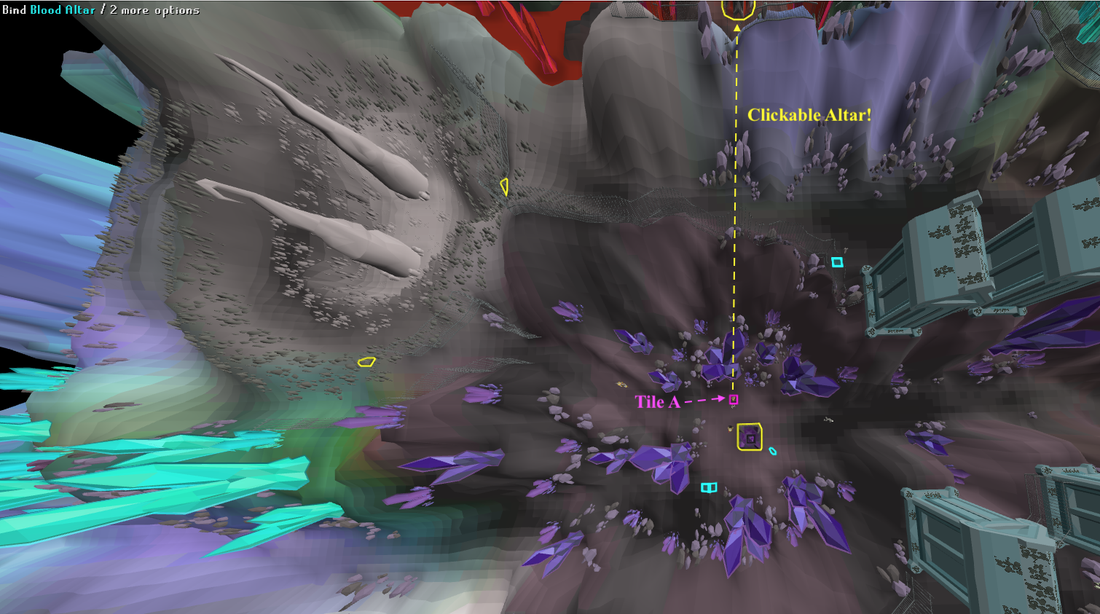
Whatever you choose, the 77 Runecraft milestone opens the blood altar in Arceuus, a semi‑AFK moneymaker that pays back the grind many times over. The investment in supplies, gold, or even a boost is not wasted—it buys you access to one of the most reliable passive income methods in OSRS.
Sources
Frequently asked questions
Do I need Lunar Diplomacy for ZMI or lava runes?
For lava runes, Lunar Diplomacy is highly recommended for Magic Imbue and Astral Contact, but not strictly required if you carry earth talismans and repair pouches at the dark mage. For ZMI, Lunar Diplomacy unlocks Ourania Teleport (71 Magic), which is the fastest way to reach the altar, but you can use other teleports if you haven't completed the quest.
Is daeyalt essence always better than pure essence?
Daeyalt essence gives more XP per essence, but it must be mined first. If you include mining time, the effective XP/hour may be lower than buying pure essence. Daeyalt is ideal if you have AFK time to mine it; otherwise, pure essence is often the better time investment.
How much XP per hour can I expect from solo lava runes?
With max efficiency, solo lava runes can reach 60,000–75,000 XP/hour using pure essence. Using daeyalt essence increases the XP per trip, but the overall rate depends on how fast you bank and craft. Check the wiki for current rates.
What level do I need for ZMI and lava runes?
Lava runes require level 23 Runecraft. ZMI can be done from level 1, but it's most efficient after completing some quests to boost your level and unlocking Ourania Teleport. Many players start ZMI around level 50 after questing.
Should I buy gold to fund Runecraft training supplies?
If your money maker earns more GP/hour than the cost of supplies, buying gold can save real time. For example, if lava runes cost 500K GP/hour in supplies and you can buy that gold in 15 minutes, it's cheaper than farming it yourself. Always buy from reputable sources.
Can I use the Abyss for lava runes?
Solo lava runes typically use the ring of elements to teleport directly to the Fire Altar, avoiding the Wilderness. The Abyss is used for other altars and requires Enter the Abyss. If you use the Abyss, be prepared for PKers and Abyssal creatures.
What is the fastest way to 77 Runecraft for a main with unlimited gold?
The fastest method is lava runes with 4 essence runners, reaching up to 280,000 XP/hour. This costs a huge amount of GP (runner fees and supplies). More realistic for most mains is solo lava runes or duo with one runner, balancing cost and speed.
Marketplace
Get live rates, instant quotes, and hand-traded delivery on Trillionaire Services.
Related listings
 Leveling
Varlamore Wealthy Citizens vs Ardougne Knights: Thieving 50–99 on Mains and Irons
Compare Varlamore wealthy citizens and Ardougne knights for Thieving 50–99. See XP rates, profit, fail rates, diary boosts, and when buying gold or a boost is the smart shortcut.
 Leveling
OSRS Defence 70-99: Void vs Obsidian NMZ Guide
Compare Pest Control Void armour progression with AFK obsidian training at Nightmare Zone for 70-99 Defence. XP rates, gear unlocks, attention required, and time-to-goal.
 Leveling
OSRS Magic 77-99: Tan Leather vs Superglass Make – Profit per Cast & Market Margins
Compare Tan Leather on dragonhide vs Superglass Make for Magic training 77–99, including XP per cast, profit formulas, market margins, and when buying gold is the honest shortcut.